New Programs May Help Discourage Repeat Criminal Offenders

Reentry into society after incarceration has long been an important issue that activists have taken strides toward reforming in order to prevent recidivism.

Texas legislature recently passed HB918, as shared by Right On Crime, which is a step in the right direction to get previous inmates back up on their feet upon reentry to society by enabling them to seek employment through a much easier process.

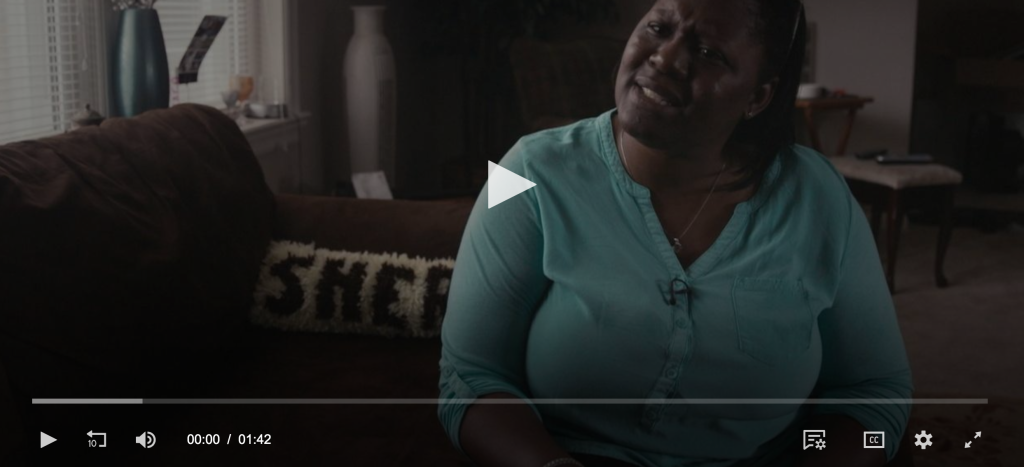
The importance of resources such as HB918 that make smooth reentry possible is exemplified when Piper Kerman, author of bestselling Orange is the New Black, shares her personal story of how the first job after prison is what can make or break the rest of a previously incarcerated person’s life.

To help the process from incarceration into society flow even better, the FIRST STEP Act (Formerly Incarcerated Reenter Society Transformed Safely Transitioning Every Person), has been created to present opportunities of shortened sentences as “rewards” for prisoners and helps them transition into a well-functioning member of society. However, this act has not been fully implemented or fully-funded, which is being heavily pushed for today by supporters such as Heather Rice-Minus and FAMM.

Additionally, John Kuofos is attempting to build off of the First Step Act with his individualized Safe Streets and Second Chances program meant to give adequate rehabilitation back into society in terms of substance abuse recovery, mental health support, and vocational training.

Still, even with these steps towards a better reentry…without education options available, employment after incarceration may not always be easy to find. This is why other initiatives advocate for education to promote successful reentry into society, including the push for restoring access of the Pell Grant to the incarcerated.

With access to the Pell Grant, incarcerated people could be granted funds that would fuel education programs available in prisons, allowing them to be educated students and have a better chance in society once they are released. Ames Grawert, Senior Counsel at the Brennan Center, recently took to Twitter to emphasize the importance of lifting this ban.

As leaders and supporters of criminal justice reform continue to work together, programs encouraging better lives for the previously incarcerated proceed to emerge and become further developed, funded, and implemented as law. With the help of these programs, ex-prisoners of the future will ideally have a much better chance at life and will not be so confined to the repeating cycle of the system.

Other Sources on This Topic That You Should Consider

Throughout the Twitter community, there are various notable people talking about changes in the prison system, justice reform, prison policies, programs, and current legislature regarding the prison system in today’s world.

I have found some of the most relevant to include Ames Grawert, senior counsel at the Brennan Center, which works to reform the justice system in the United States. Next up, Heather Rice-Minus. She is the Vice President of Prison Fellowship and shares a lot of information regarding the impact of incarceration on the safety and health of communities.

Additionally, John Koufos keeps up to date on healthcare in prison and the reentry process into society after incarceration. Piper Kerman, author of #1 New York Times best seller Orange is the New Black, also has plenty to say about prison system issues and changes while reflecting on the year she spent in a women’s prison. Also, the CEO of Reform Alliance, Van Jones, heavily weighs in on the fight to change individual prison policies as well as the victory or setback of the outcome in each fight.

Two very important organizations also share their voice on Twitter, Right on Crime and Safe Streets & 2nd Chances. These organizations push to demolish recidivism and help facilitate a better transition out of prison as well as help victims of the system.

Not only is the topic of the changing prison system heavily discussed on Twitter, but it is also touched on in many well-constructed blogs. Some of my favorite blogs that I find to be most helpful include Vera Institute of Justice, which has multiple authors covering various aspects of current happenings within the prison system, and The Marshall Project which discusses the updated top topics and trends within the prison system today such as guns, the death penalty, police tactics, and more.

A unique approach is made by Prison Fellowship, which builds its posts off of the stories of prisoners and previously incarcerated people, and explains in depth some of the issues that common people may not know about within the criminal justice system. Furthermore, Justice & Prisons lays out a suggested framework for fixing these issues within the system. Lastly, Justice System Partners talks about the roles of some high-ranked key players in criminal justice and how they impact the decisions that are made within the system.

These sources are a great way to educate yourself and stay in the loop about the present discussion of changes in the prison system including why these issues exist, what causes their current relevance, how to fix them, and if they are actually being fixed.

Kristen Stewart was Urged to Stay Closeted, Should Prisoners Do The Same?

Discrimination against LGBT celebrities only threatens their career acceleration, but the same discrimination towards prisoners could cause physical and psychological harm.

While people in our country are continuing to “come out,” negative bias against the LGBT community is still commonly present in our society, which means that it is also likely to be ingrained within those in positions of power in the prison system as well as the other prisoners.

If the famous and well-loved Kristen Stewart was advised against holding hands with her girlfriend in public in order to obtain a Marvel movie, obscure and disliked LGBT prisoners could be in danger due to the more extreme effects of the same bias within the prison system.

Sexual minorities are at a higher risk of incarceration to begin with, and their quality of life once they are in the system is worse than the average, straight prisoner as well. The bias against them has led to an extreme amount of abuse cases from peers or staff within prison walls.

Sometimes, measures are taken to separate LGBT prisoners from their peers. It is unclear if these measures are actually meant to prevent abuse and ensure the safety of these minorities, or if it is intended as a punishment, but the psychological repercussions of being placed into separated bunks or cells similar or equal to solitary confinement could be just as bad as they often cause long-term mental illness.

With more people coming forward about their sexuality, the acceptance of such is ever so slowly increasing, so the current changing and evolving prison system is likely to adapt to these issues. But for now, LGBT people are at a higher risk of finding themselves behind bars and weighing out the options of living true to themselves or risking physical and mental health. In some cases, the choice is not optional.

A Price to Pay

The current economic slump could cause your small town to lead you or a loved one behind bars.

On the cusp of a financial downturn, the prison system may change at an even more drastic and alarming rate than before as small, rural towns search for a measure of economic safety.

A great number of small towns, and a greater number of rural towns, have previously used prisons as an economic development tool for their area. As the economy declines, these towns look for an outlet to restructure their economy around, and as a result, many tend to fall back on the idea of building a prison. By constructing a prison on their ground, they hope to create economic growth within their area.

The issue arises when hundreds of small, rural towns look toward the same escape of prison building during a decline in the overall economy of the country, much like right now. Why is this an issue? The economy then relies on crime rates that will allow the prisons to be filled. Without prisoners the prisons are useless; therefore, thousands of empty prison cells must be filled.

With the current controversial and changing laws on marijuana and other drug-use these smaller, previously non-prison worthy crimes may now lead to imprisonment for the sole purpose that someone must occupy the cells to allow them to be profitable to the economy.

What does this mean for the near future of rural areas with a heavy drug problem such as Appalachia? The people of these areas may be at risk of incarceration over these small drug charges simply to meet quotas if their towns look to prison building as a financial growth industry.